| |

|
April 23, 2026
|
|
|
|
|
|
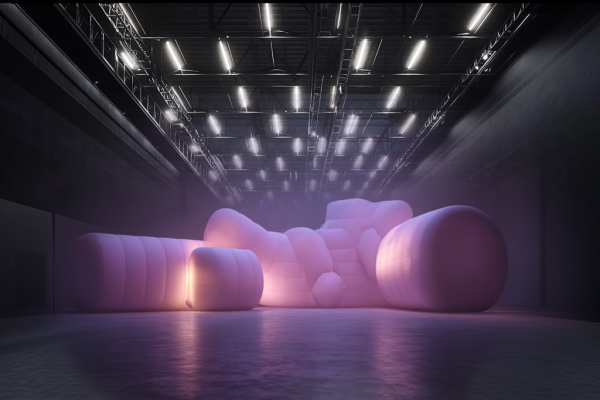
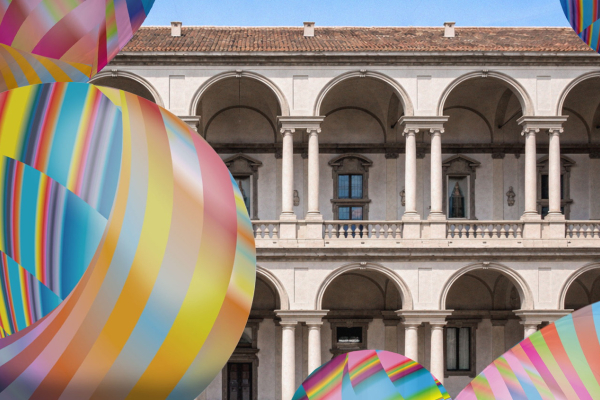
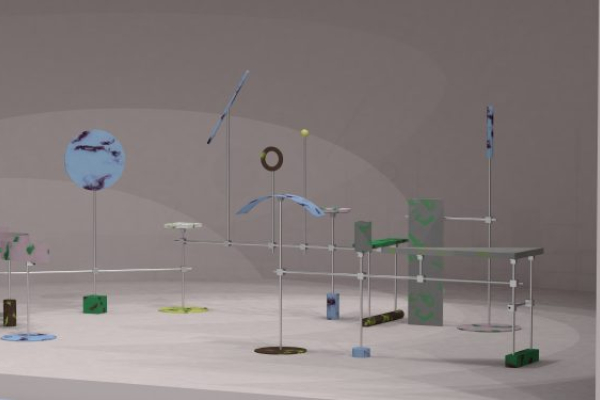
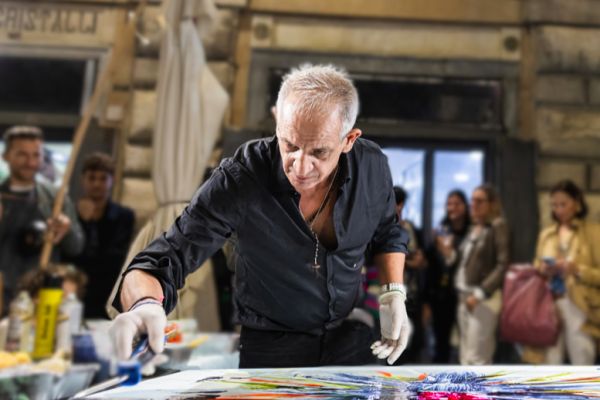
The Salone del Mobile & Milano Design Week 2026
|
|
|
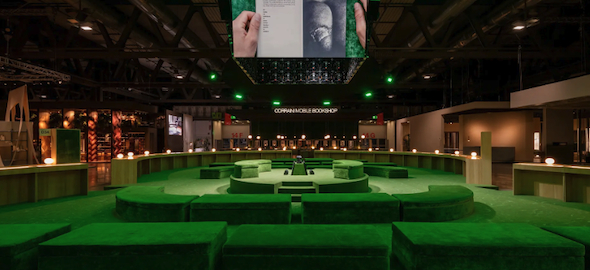
Salone del Mobile 64th edition
April 21 to 26, 2026 - Fiera Milano Rho - 20017 Rho (MI)
INTERACTIVE MAP
Log in to create and view your personalized exhibitor list.
Exhibitors List with filters
Here's what's happening during Salone del Mobile 2026: Salone Internazionale del Mobile + Furnishing Accessories + Bathroom + EuroCucina + Workplace 3.0: + S.Project + Salone Raritas + SaloneSatellite: View > the SaloneSatellite 2026 catalogue
+ View and download > Salone in the City : the guide to discover the Historical Archives, Foundations, the Design Kiosk program, the Milano Showrooms list, Institutional Exhibitions & 152 Places to BE.
Milano Design Week 2026 - April 20 to 26, 2026.
MODEM ESSENTIAL ITINERARY
A curated selection of events organised by neighbourhood.
You can explore them by clicking > Here
|
|
|
|
|
|
|
|
|
|
|
|
From Visibility to Viability: Serge Carreira on What Makes Emerging Talent Last
|
|
|
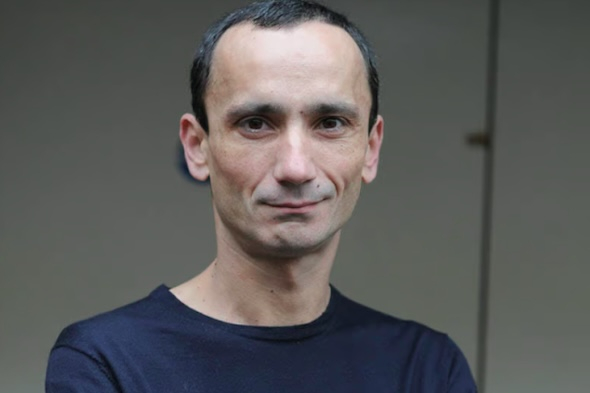
Before the ITS winners were announced in Trieste, MODEM asked Serge Carreira, juror at the competition, Director of Emerging Brands Initiative at the Fédération de la Haute Couture et de la Mode, and affiliate professor at Sciences Po in Paris, about the new expectations placed on emerging brands, the fragile path from visibility to viability, and the qualities that make a designer endure. Through the FHCM’s SPHERE initiative, Carreira works closely with young houses at the intersection of visibility, development and market reality.
MODEM: Beyond aesthetics, what makes a young designer stand out today in the eyes of industry professionals?
SERGE CARREIRA: What is needed more than ever is to have something to say, somehow, and to create real consistency between concept and execution. Very often, particularly with young designers, but not only with young designers, by the way, there is a gap between what is expressed in terms of message and concept, and what finally comes through in the execution. When an artist, and particularly an emerging one, is really able to translate and convey that vision into the garment and the look in a very consistent way, it becomes quite impactful.
MODEM: The transition from critical recognition to economic viability remains fragile. At what point does a young brand become truly “credible” on the market?
SERGE CARREIRA: It is not just about the concept or what they stand for. It is also about setting up a whole scheme, including the supply chain, that is aligned with what they want to say and the way they want to say it, and about being able to deliver products. At the end, fashion is a business, but we sell creativity. It is not just about selling a product; it is a creative product. What makes the difference is when a designer has been able to build a supply chain that allows him or her to have a true proposition that is both creative and efficient in terms of production and quality.
MODEM: Buyers seem more cautious today. What do they concretely expect from emerging brands before committing?
SERGE CARREIRA: They need to be convinced by the product and by the accuracy of the message, but not just by one piece, rather by a silhouette somehow, by a wardrobe that conveys that message. And the message has to be accurate. That is what can definitely make the difference for a buyer. It is not just about having someone hyped. Particularly in a very harsh economic landscape, hype is not enough to be there. Maybe it was five years ago; now it is really about how you are able to deliver.
MODEM: Sphere acts as a visibility accelerator. But can it still directly influence the commercial success of brands?
SERGE CARREIRA: Yes, definitely, because we offer the possibility to sell, so it can. The showroom is, in itself, a place where a brand can present and sell the collection, so it is definitely something that can boost sales. Then, if a brand is not ready, or does not yet have everything in place, Sphere will not replace the effort the brand has to make in order to have a collection that is consistent, bold, able to deliver the message, creative, and also product-driven. We support them, of course, but the idea is not to step in as agents, and we are not an incubator either. We are really a platform. We offer this space, this connection and this exposure to allow them to present themselves to the press and to the ecosystem, and also to develop business. For this reason, if they're successful within Sphere, they don't have to start all over again once they leave.
MODEM: Finally, what makes you think, when you see a designer: “this one can last”?
SERGE CARREIRA: It is a combination of being obviously talented, of having something very accurate to express, and, more than ever, of being grounded while still being a dreamer. It is more necessary than ever to be grounded, but you cannot just be down to earth, you also need to remain a kind of dreamer.
By Florian Müller & Anna Rita Russo for MODEM.
|
|
|
|
|
|
"Matteo Ward Explores Creativity, Responsibility and Coherence in Fashion"
|
|
|
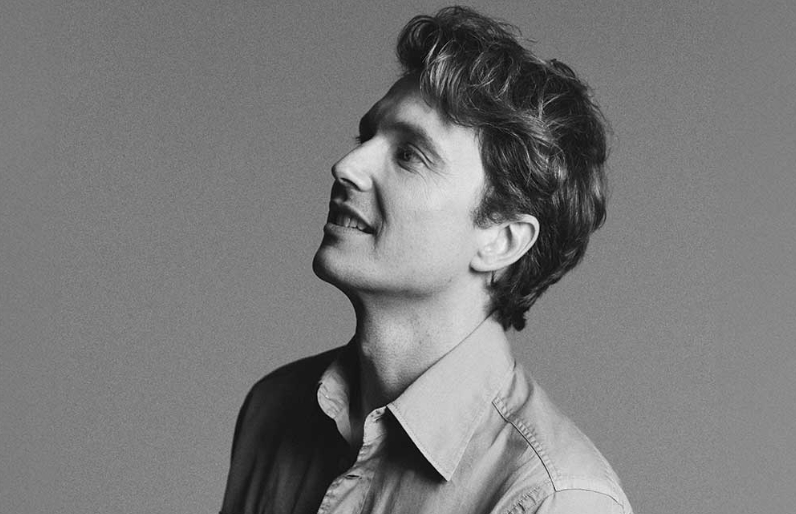
At the final awards ceremony of the ITS Contest 2026, MODEM interviewed another jury member, Matteo Ward, CEO of Inside Out Fashion, Textiles & Home - the vertical of the holding company founded and led by Suzy Amis Cameron, dedicated to responsible fashion.
Matteo is also co-founder of WRÅD, a design studio working at the intersection of business, culture and policy, which created the WRÅD Award. This year, the award was presented to Jamie O’Grady, who will receive an exclusive three-day immersion in the Italian fashion supply chain.”
MODEM: As a member of the ITS jury, to what extent do sustainability issues influence your evaluation of young designers today?
MATTEO WARD: Obviously, my mind naturally looks for elements that might suggest a designer’s attention to environmental and social responsibility. However, when I don’t find them, I don’t automatically rule out the project, because that wouldn’t be right. Our role isn’t to judge solely what we see at a given moment but to assess the individual’s potential. I’m much more focused on finding coherence between intent and form.
I pay attention to aspects such as the techniques they use, to determine whether simply helping them find better processes or materials could improve the environmental impact of their work. I try to identify the kind of creativity that can restore fashion design’s power to positively change the world, because a well-designed garment can influence not only ecological, industrial, and social environments but also people’s habits. When someone is exceptional from an environmental and social perspective but lacks creativity, I’m not interested. I’m far more interested in someone who is exceptionally creative and who, with the right guidance, can develop and strengthen their work.
MODEM: You have often stressed the need to move beyond the discourse of “sustainable fashion”. In your evaluation, which concrete criteria allow you to identify a genuinely committed approach?
MATTEO WARD: We need to move beyond the idea that there is sustainable fashion and unsustainable fashion. If it’s called fashion, then designers cannot fail to be ecologically and socially responsible. If they aren’t, it’s a mistake. A complete design project must take environmental and social responsibility into account. What a designer should do today is start by analyzing and understanding the primary habitat they design for: the human body. If you design for the body using harmful dyes, fabrics, or substances, you’re not truly taking full responsibility for your role. Starting from the idea of creating a healthy and wholesome “packaging” for the human body is, in my opinion, the simplest way to approach sustainability.
MODEM: The transition from intention to implementation remains complex. Do you observe among ITS finalists a real ability to integrate these issues into viable models?
MATTEO WARD: It depends. Some are further ahead; others are far behind. We sometimes recognize those who are more advanced with a prize that Wråd gives to a finalist each year. Moving from theory to practice, from intention to action, from value to realization, isn’t easy. What can make the difference, for me, is the designer’s attitude, intelligence, and personality. It depends a lot on that, and we only notice it when we meet the students.
In most cases, and I must say in every edition, there has been enormous curiosity and a desire to learn and understand how to evolve the project. And that’s exactly what ITS aims to support. These students are very young, often at the beginning of their professional path or still studying. We can’t expect everything to be perfect and complete; our work as jurors is also a form of mentorship, which Barbara Franchin organizes in a very structured way, to accompany and help students evolve and accelerate their development.
MODEM: Many young designers today seem to naturally integrate these principles. Do you see this as a real generational shift?
MATTEO WARD: I believe the generational paradigm shift has already happened in many areas, not only in sustainability. But it’s still difficult to translate certain principles into practice or even into purchasing decisions. For example, how many of us are aware that something isn’t right, yet do it anyway because there are dozens of factors to consider?
MODEM: Textile and raw material stakeholders play a key role in this transformation. To what extent is this dimension taken into account in your assessment of ITS projects?
MATTEO WARD: The jury is made up of experts from many different disciplines; each of us brings something to the table to reach the final selection. Barbara encourages us to evaluate projects through our own eyes, experience, and expertise, and then discuss them together. If we encounter a problem, we try to determine whether the designer is coachable - whether we can help them evolve the project if it has potential. What matters most is consistency. If a project claims environmental or social responsibility among its values, I will pay closer attention. When I find inconsistency between a statement and the choices made, the project loses many points.
MODEM: Fashion Weeks are primarily visibility platforms. Can they also become spaces to highlight these commitments, particularly through initiatives that connect young designers and producers?
MATTEO WARD: For emerging designers, absolutely. I think Milan is moving in a good direction; fairs like White have always hosted suppliers. For several years, I was the art director of spaces dedicated to workshops and talks aimed at fostering dialogue among industry experts, companies, young designers, and the public. Then there’s Milano Unica, which brings together suppliers from all over the world.
By Florian Müller & Anna Rita Russo for MODEM.
|
|
|
|
|
|
|
|
CNMI presents new Made in Italy documentary
|
|
|
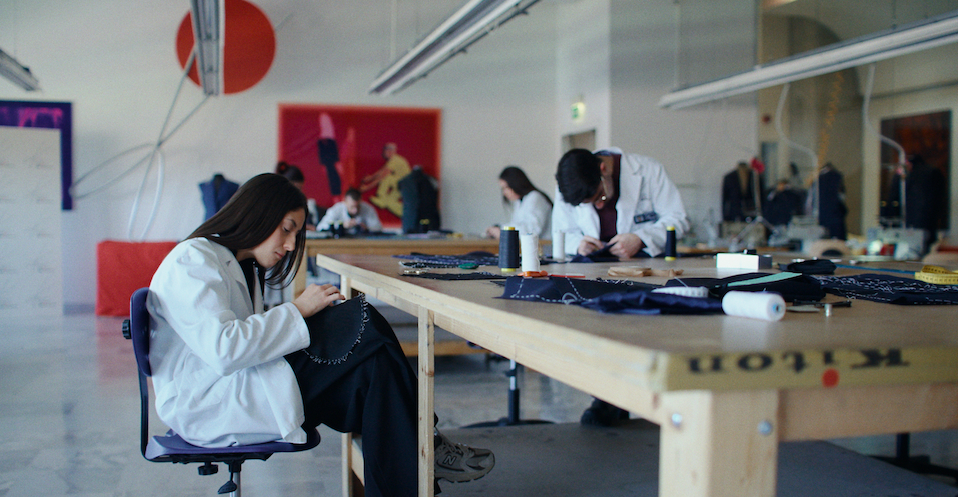
Italy’s fashion chamber strengthens its commitment to enhancing the Made-in-Italy ecosystem with an initiative that fits into the narrative Camera Nazionale della Moda Italiana has been building for years around the key pillars defining the industry’s identity. On the occasion of the Made in Italy National Day 2026, Cnmi presented “Grand Tour. A journey around our Arts & Crafts Academies", a documentary film that celebrates the training and dissemination of know-how in the Italian fashion industry, whose excellence is recognized worldwide.
read more
|
|
|
|
|
|
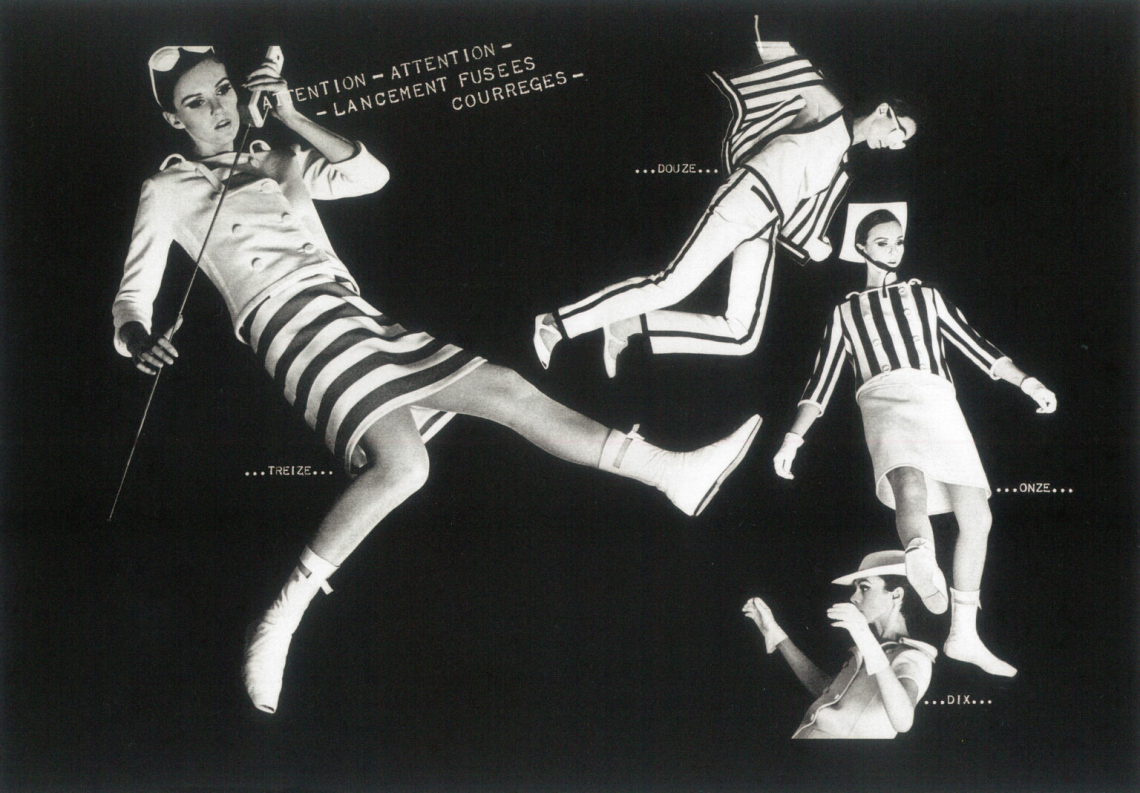
The Era of Courreges, curated by Peter Knapp, is on display at Fondation Maeght
|
|
|
"The Era of Courreges" will be on view from May to November, 2026.
read more
|
|
|
|
You are receiving this email because you opted in at our website
You can unsubscribe from the list
Email not displaying correctly? click here
Modem
Vedra Inc, 21 Place de la République, 75003 Paris, France
Instagram
Linkedin
|